Roof Inspection Summerville SC
Roof inspection in Summerville, SC · Written report with photos
Roof Leak Inspection in Summerville, SC
Roof leak inspection in Summerville, SC. When water is coming in, the job is to trace the source, not just to note the stain on the ceiling.
Urgent leaks are prioritised at booking, so a caller with water coming in knows the visit is treated as urgent. The report names the source with photos and explains what needs attention.
- Written report with photos
- Serving all of Summerville, SC
- Attic check where access allows
What a Roof Leak Inspection Includes
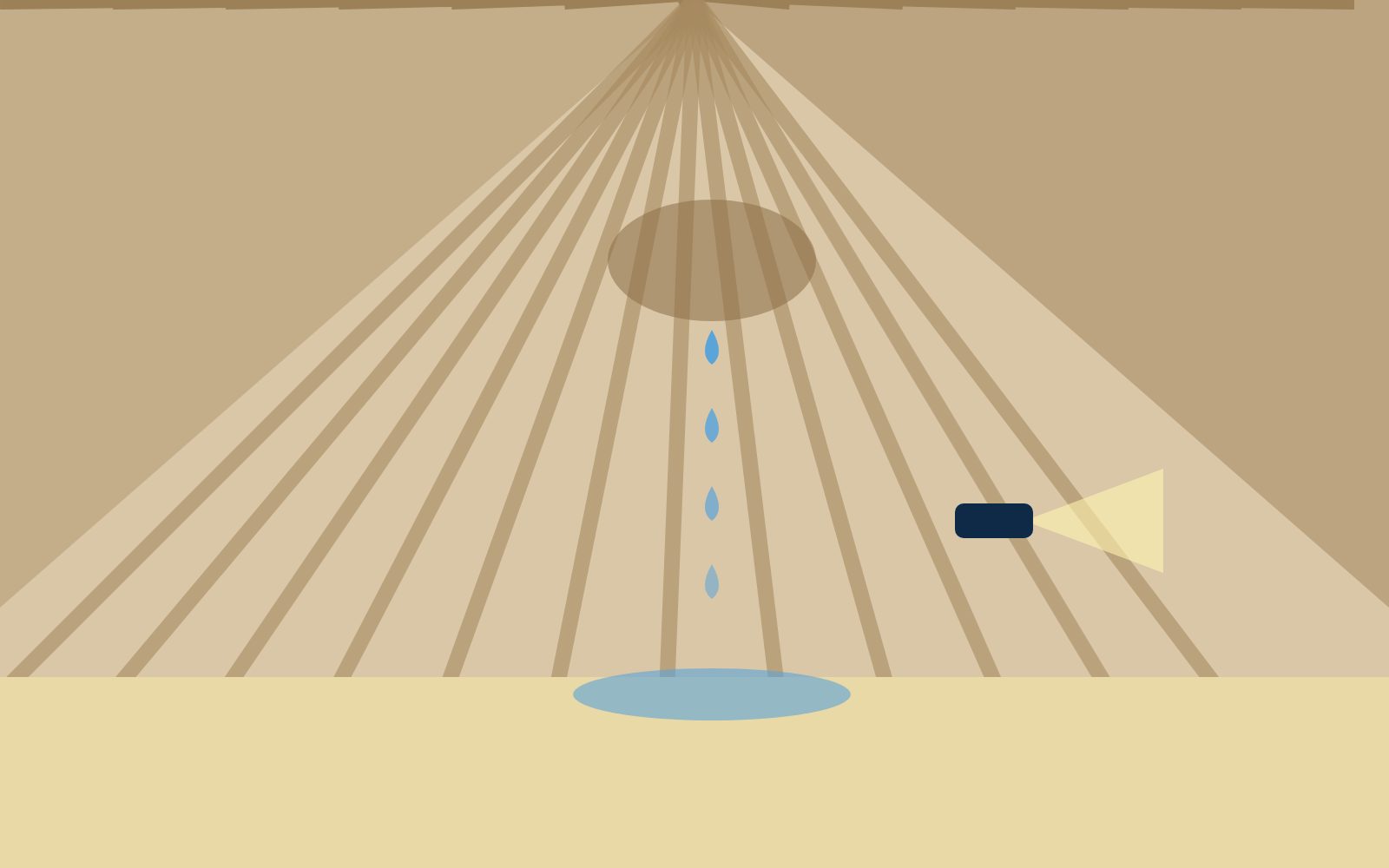
The inspection follows the usual leak paths: flashing around chimneys, skylights, and vent pipes, valleys, and places where shingles are missing or lifted. The inspector also checks the attic where access allows, because water often travels far from where it drips inside.
The report names the source, not just the symptom. Fixing a stain without fixing the source leaves the leak in place, so the whole point of the visit is to follow the water back to where it enters the roof.
Shingles
Checked for age, wear, granule loss, and missing or lifted tabs, since shingles are the first layer between rain and the roof deck.
Flashing
Checked for gaps, lifting, and rust at every joint, because flashing is where most leaks begin.
Valleys
Checked for wear where two roof planes meet, since valleys carry the heaviest flow of water.
Penetrations
Vent pipes, chimneys, skylights, and exhausts are checked where they pass through the roof surface.
Gutters and drainage
Checked for blockages and poor fall that push water back under the roof edge.
Attic signs
Where access allows, the attic is checked for stains, damp insulation, and daylight through roof boards.

Signs You Need a Roof Leak Inspection
- A stain on a ceiling – it marks where water has already travelled.
- Damp spots or peeling paint – signs of moisture held in walls or ceilings.
- A musty smell – often the first sign of moisture trapped in the attic.
- Daylight through attic roof boards – a gap in the roof itself.
A leak with no visible stain yet can still be found. Flashing, penetrations, and attic signs such as damp insulation, stained boards, and rust on nails show water paths before ceilings are marked.
How a Roof Leak Inspection Works
Call and describe it
Call with the address and a description of what you see inside.
Book, urgent first
The visit is booked, with urgent leaks prioritised.
Source traced
The inspector traces the source across the roof and the attic.
Report with photos
The written report with photos follows, with next steps explained.
The first question on the call is what you see inside, because that points the search before the inspector climbs onto the roof.
What the Roof Leak Report Gives You
- The source of the leak with photos – the fault that lets water in.
- The path the water takes – why the stain sits where it does.
- A prioritised list – what to address first and what to watch.
Naming the source matters, because a repair aimed at the wrong place leaves the leak running. With the source photo and the water path in hand, the next step is clear.
Looking for a Different Inspection?
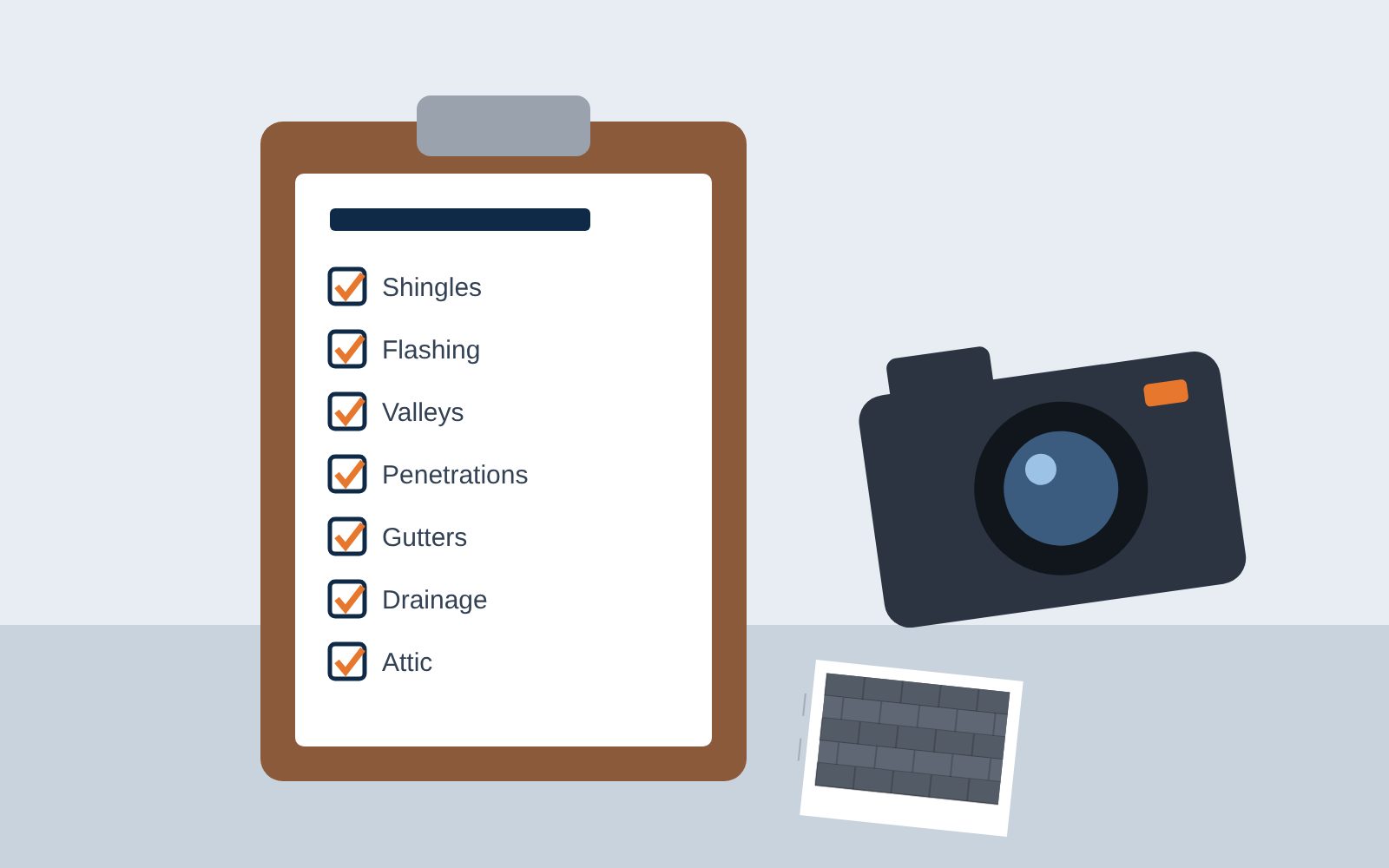
If a different reason brought you here, one of these inspections may fit better. Each follows the full checklist and ends with a written report and photos.
Pre-Purchase Roof Inspection
For home buyers who need the roof condition and remaining life before closing.
Storm Damage Roof Inspection
For homeowners after hail or wind who need damage documented with dated photos for a claim.
Annual Roof Inspection
For homeowners who want a routine yearly check that catches small faults while they are small.
Back to roof inspection in Summerville, SC · About us · Contact
Roof Leak Inspection FAQs
Where do roof leaks usually start?
Most often at flashing around chimneys, skylights, and vent pipes, in valleys, or where shingles are missing or lifted. Flashing is the joint between the roof and anything that passes through it, and joints move and wear before flat roof areas do. Valleys carry the most water, so wear there shows first, and a lifted shingle opens a direct path for rain. The inspection follows these paths first, because most leaks trace back to one of them.
What are the signs of a roof leak inside the home?
Ceiling stains, damp spots, peeling paint, a musty smell, or daylight showing through the attic roof boards. A stain marks where water has already travelled, damp spots show active moisture, and peeling paint or a musty smell points to moisture held in walls or ceilings. Daylight through attic boards means a gap in the roof itself. Any one of these signs is reason to book, since leaks grow quietly between visits.
Can you find a leak with no visible stain yet?
Often yes. The inspector checks flashing, penetrations, and attic signs that show water paths before stains appear. Damp insulation, stained roof boards, and rust on nails all mark water paths while ceilings still look clean. Finding the path early matters, because the repair is smaller before the water reaches the ceiling, and the report can name the source while the fault is still contained.
Is the attic part of a leak inspection?
Yes, where access allows. The attic shows where water travels, which is often far from where it drips inside. Water runs along boards and beams before it drops, so the stain on a ceiling can sit rooms away from the roof fault. The attic check follows the path back to the source, and where access does not allow it, the report notes that plainly instead of leaving the question open.
How fast can a leak inspection be booked?
Call with your address and describe what you see inside. Urgent leaks are prioritised at booking. The booking call asks what is seen inside first, because active water changes the order of the day. A leak that is actively dripping is treated as urgent, while a stain with no active water is booked in turn, and the caller is told plainly which case applies.
What happens after the source is found?
The report shows the source with photos and explains what needs attention, so the next step is clear. The source photo anchors the fault, the water path explains the stain, and the prioritised list orders what to address first. The homeowner then arranges the next step with the facts in front of them, instead of guessing at the cause from the stain alone.
Book a Roof Leak Inspection
Describe what you see inside when you call, since that description points the search.