Roof Inspection Summerville SC
Roof inspection in Summerville, SC · Written report with photos
Storm Damage Roof Inspection in Summerville, SC
Storm damage roof inspection in Summerville, SC. After hail or high wind, damage often hides on the roof surface, and this inspection documents it with dated photos for your claim file.
Early documentation is stronger than a report written months later, because storm marks fade and later weather muddies the record. Call as soon as it is safe to do so.
- Written report with photos
- Serving all of Summerville, SC
- Attic check where access allows
What a Storm Damage Roof Inspection Includes
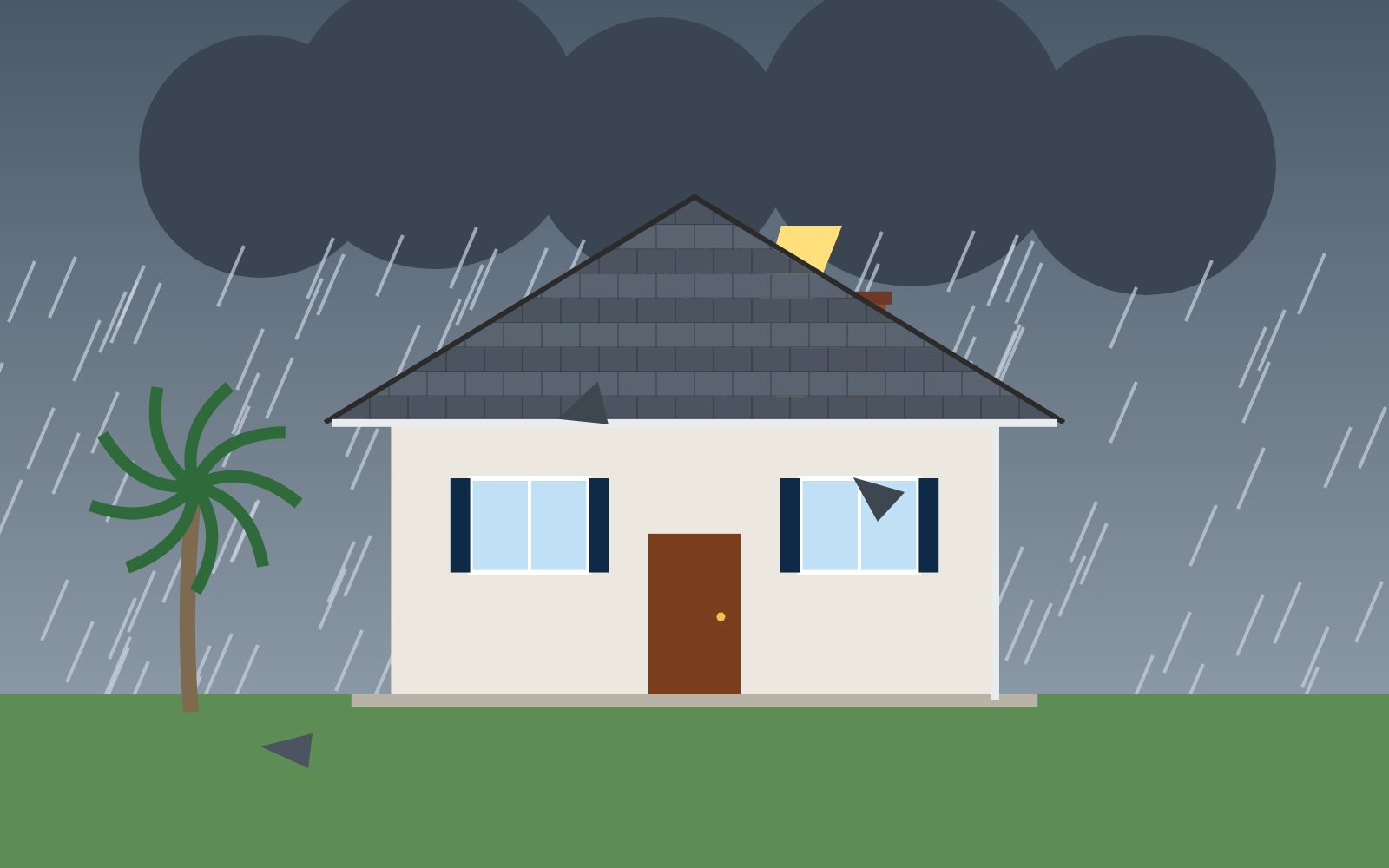
The checklist covers wind-lifted or missing shingles, hail marks, cracked flashing, and debris impact, plus interior signs such as ceiling stains. The inspector photographs every damaged area, the roof sections around it, and any interior signs, so the record shows both the fault and its context.
The goal is a dated record of what the storm did, section by section, rather than a general note that a storm passed through. The full standard checklist still applies, so the report also covers flashing, valleys, gutters, and the attic where access allows.
Shingles
Checked for age, wear, granule loss, and missing or lifted tabs, since shingles are the first layer between rain and the roof deck.
Flashing
Checked for gaps, lifting, and rust at every joint, because flashing is where most leaks begin.
Valleys
Checked for wear where two roof planes meet, since valleys carry the heaviest flow of water.
Penetrations
Vent pipes, chimneys, skylights, and exhausts are checked where they pass through the roof surface.
Gutters and drainage
Checked for blockages and poor fall that push water back under the roof edge.
Attic signs
Where access allows, the attic is checked for stains, damp insulation, and daylight through roof boards.

Signs You Need a Storm Damage Inspection
- Shingles on the ground – pieces in the yard or driveway after a storm mean the roof surface has lost cover.
- A neighbour arranging repairs – homes on the same street usually face the same wind and hail.
- A new stain on a ceiling – water has found a path that was not there before the storm.
- A storm passed over, but the roof looks fine – ground views hide most storm damage.
The roof surface itself must be checked rather than judged from the driveway. A shingle can look intact from below while its seal is broken, and hail marks and flashing cracks are rarely visible from the ground.
How a Storm Damage Roof Inspection Works
Call with the storm date
Call with the address and the storm date if you know it.
Book once it is safe
The visit is booked for once it is safe to be on the roof.
Surface and interior checked
The inspector checks the roof surface and any interior signs.
Report with dated photos
The written report with dated photos follows, with next steps explained.
The report is written so it can sit in a claim file, which is why dates, photos, and measurements matter as much as the summary.
What the Storm Damage Report Gives You
- Damage notes section by section – which slopes and areas were affected.
- Dated photos of every damaged area – the evidence that anchors the claim.
- Measurements where they matter – the size of the affected sections.
- A prioritised list – what needs attention now and what to watch.
Claim files need documented facts. The report is built to supply them rather than to argue the claim, and that neutrality is part of its value in the file.

Looking for a Different Inspection?
If a different reason brought you here, one of these inspections may fit better. Each follows the full checklist and ends with a written report and photos.
Pre-Purchase Roof Inspection
For home buyers who need the roof condition and remaining life before closing.
Roof Leak Inspection
For homeowners with an active leak or a ceiling stain who need the source traced.
Annual Roof Inspection
For homeowners who want a routine yearly check that catches small faults while they are small.
Back to roof inspection in Summerville, SC · About us · Contact
Storm Damage Roof Inspection FAQs
What counts as storm damage on a roof?
Wind-lifted or missing shingles, hail marks, cracked flashing, and debris impact. Some of it is only visible up close. Wind lifts shingle edges and breaks their seal, hail leaves marks that weaken the surface over time, and debris can crack flashing or puncture a section outright. The inspection checks the roof surface itself, where all four types actually sit, rather than judging from the ground.
Should I get an inspection even if there is no leak?
Yes. Storm damage often shows no leak for months, and claim deadlines do not wait for the leak to appear. A lifted shingle or a hail mark lets water in slowly, so the first interior sign can arrive long after the storm. An inspection right after the storm documents the damage while it is fresh, which matters far more than waiting for a stain to prove the point.
Can the report be used for an insurance claim?
Yes. The report documents damage with dated photos and measurements, which is what a claim file needs. Each damaged area is photographed with its roof section noted, and measurements size the affected sections, so the file carries facts rather than a general statement. The report documents condition; it does not argue the claim, and that neutrality is part of its value in the file.
How soon after a storm should I book?
As soon as it is safe to do so. Early documentation is stronger than a report written months later. Later weather can add new marks, repairs by others can change the roof, and memories of the storm date fade, all of which weaken the record. The booking call asks for the storm date where known, so the visit and the report tie to the right event.
What does the inspector photograph?
Every damaged area, the roof sections around it, and any interior signs such as ceiling stains. Photographing the surrounding sections matters, because it shows whether damage is isolated or spread across a slope. Interior signs are photographed too, since a ceiling stain connects the roof fault to what the homeowner sees inside.
What if the roof looks fine from the ground?
Ground views hide most storm damage. The inspection checks the roof surface itself, where hail and wind marks actually sit. A shingle can look intact from the driveway while its seal is broken or its surface is marked, and flashing cracks are invisible from below. The roof surface check is the whole point of the inspection, and no ground view replaces it.
Book a Storm Damage Roof Inspection
Mention the storm date if you know it, so the visit and the report can be tied to the right event.